MoEFCC rules for companies in India: EPR, waste imports, clearances
The Ministry of Environment, Forest and Climate Change (MoEFCC) writes India's waste and pollution rules under the Environment (Protection) Act, 1986. Its extended producer responsibility (EPR) rules cover plastic packaging, electronics, batteries, tires, lubricating oil and vehicles. A company that makes, imports or sells them registers on a Central Pollution Control Board (CPCB) portal, meets yearly targets and files returns.
Published and updated
Where do MoEFCC's rules for companies stand on November 8, 2026?
MoEFCC's rules for companies on November 8, 2026 run EPR for plastic packaging, e-waste, batteries, waste tires, used oil, end-of-life vehicles and, since April 1, 2026, aluminum, copper and zinc scrap. In 2026 the plastic rules gained new reuse targets, new solid waste and construction waste rules began, and a Customs instruction tied plastic imports to EPR registration.
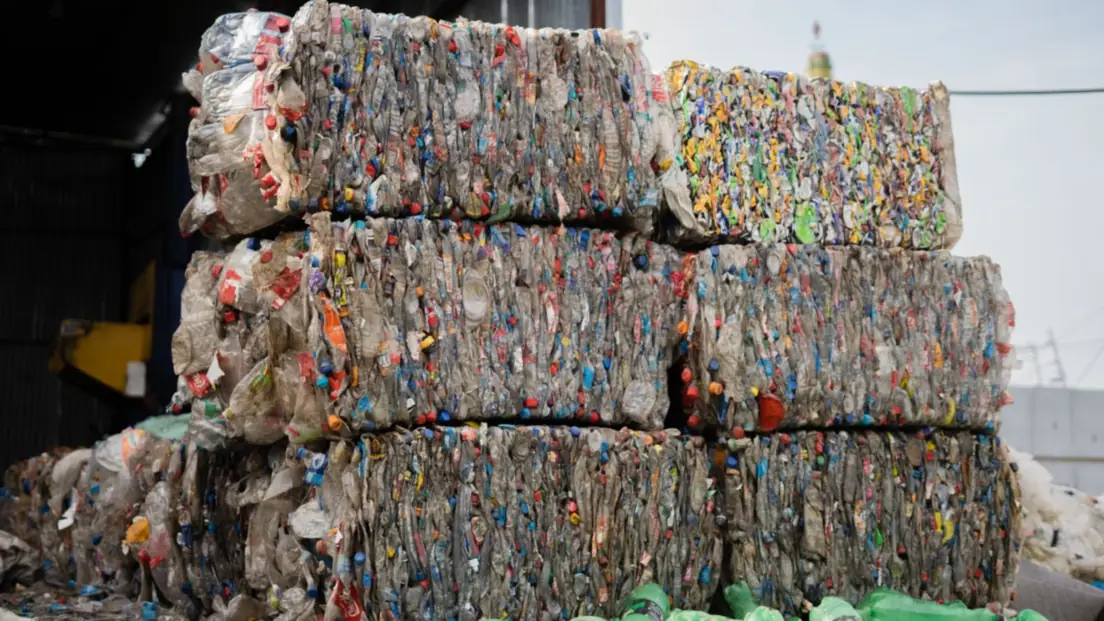
As of November 8, 2026
We read 59 official texts on November 7 and 8, 2026, from the Environment (Protection) Act, 1986 to each EPR rule, its amendments and CPCB's notices.
Changes in 2026, by each document's own date:
- January 27, 2026: new Solid Waste Management Rules, in force April 1 (S.O. 388(E), opens in a new tab).
- March 27, 2026: a draft would require 10% recycled steel in new vehicles (draft S.O. 1619(E), opens in a new tab).
- March 31, 2026: new reuse targets for plastic packaging; the 2022 recycled content percentages stay (G.S.R. 237(E), opens in a new tab).
- April 1, 2026: EPR for aluminum, copper and zinc scrap (G.S.R. 438(E), opens in a new tab) and the construction waste rules (G.S.R. 219(E), opens in a new tab) begin.
- May 18, 2026: District Collectors get section 5 powers for the solid waste rules (G.S.R. 371(E), opens in a new tab).
- August 27, 2026: 2025-26 returns move to September 30 for e-waste and tires, and November 30 for batteries and used oil (office memorandum, opens in a new tab).
- September 9, 2026: the Central Board of Indirect Taxes and Customs (CBIC) tells officers to clear imports of plastic packaging, goods in plastic packaging and plastic raw material on proof of EPR registration (Instruction No. 15/2026-Customs, opens in a new tab).
| Guide | What it answers |
|---|---|
| EPR registration in India | Registration, targets and returns |
| Plastic packaging EPR | Categories, targets and the 2026 amendment |
| E-waste EPR | Schedule I equipment and targets |
| Battery EPR | Labels, targets and recycled content |
| Waste tire and used oil EPR | Producers and targets |
| EPR for importers | Foreign companies selling into India |
| Hazardous waste imports | Waste, scrap and used equipment |
| Environmental compensation and penalties | What a missed target costs |
What do MoEFCC, CPCB and the state boards do?
MoEFCC makes the environment rules under section 6 of the Environment (Protection) Act, 1986, and may give written directions under section 5 that a company must obey. CPCB runs the EPR portals and generates the certificates. State pollution control boards register plastic companies working in one or two states, and District Collectors now enforce the 2026 solid waste rules.
| Body | What it does | Rule |
|---|---|---|
| The Ministry of Environment, Forest and Climate Change (MoEFCC) | Makes the rules, gives binding written directions, and decides waste import and export permissions as the nodal ministry | The Act, sections 3, 5 and 6, opens in a new tab; hazardous waste rules 11 and 12, opens in a new tab |
| The Central Pollution Control Board (CPCB) | Runs each EPR portal, registers plastic companies working in more than two states, generates certificates and writes the compensation guidelines | Schedule II, paragraph 6.1, opens in a new tab; guidelines, opens in a new tab |
| State pollution control boards and Union territory committees | Register plastic companies working in one or two states, and receive copies of Form 5 waste import applications and Form 4 returns | plastic rule 13(2), opens in a new tab; hazardous waste rule 13 |
| District Collectors | Hold section 5 powers for one year from May 2026, for the 2026 solid waste rules only | G.S.R. 371(E), opens in a new tab |
| Local bodies, Gram Panchayats and district Panchayats | Enforce the bans on single use plastic items and carry bags, since 2026 | rule 12(3A) to (3C), opens in a new tab |
| Customs | Checks EPR registration on some imports, such as plastic packaging (customs in India) | Instruction No. 15/2026-Customs, opens in a new tab |
A section 5 direction can close, prohibit or regulate an industry or process (section 5, Explanation, opens in a new tab). In March 2026 CPCB sent section 5 show cause notices to plastic packaging companies, opens in a new tab and tire producers, opens in a new tab over their 2022-23 targets.
CBIC's instruction names a Common EPR portal for plastic importers (paragraph 2, opens in a new tab), but the documents we read don't say when the separate portals close.
Which MoEFCC rules apply to the goods you make, import or sell?
MoEFCC's EPR rules apply by product: plastic packaging, the electrical and electronic equipment in Schedule I of the e-waste rules, batteries, new tires, base and lubricating oil, vehicles, and products of aluminum, copper or zinc. Large buildings and waste generators carry duties under the solid waste and construction waste rules. One product can fall under several regimes.
| Regime | Who is obligated | Rule and date | In force | Guide |
|---|---|---|---|---|
| Plastic packaging | Producers, importers and brand owners (PIBOs), and processors | G.S.R. 133(E), February 16, 2022, opens in a new tab | On publication, February 16, 2022 | Plastic packaging EPR |
| E-waste | Makers, producers, refurbishers and recyclers of Schedule I equipment | E-Waste (Management) Rules, 2022 (G.S.R. 801(E)), opens in a new tab | April 1, 2023 | E-waste EPR |
| Batteries | Producers, including importers of batteries or equipment containing them | Battery Waste Management Rules, 2022 (S.O. 3984(E)), opens in a new tab | On publication, August 24, 2022 | Battery EPR |
| Waste tires | Makers and brand sellers of new tires, sellers of imported ones, automakers importing them, and importers of fitted vehicles or waste tires | Schedule IX (G.S.R. 593(E), July 21, 2022), opens in a new tab | On publication, July 21, 2022 | Waste tire and used oil EPR |
| Used oil | Base and lubricating oil producers, collectors, recyclers and importers | Chapter VII (G.S.R. 677(E), September 18, 2023), opens in a new tab | April 1, 2024 | Waste tire and used oil EPR |
| End-of-life vehicles | Makers, brand sellers and importers of vehicles | S.O. 98(E), January 6, 2025, opens in a new tab | April 1, 2025 | On this page (What do the End-of-Life Vehicles Rules require of vehicle makers and importers?) |
| Non-ferrous metal scrap | Brand owners, sellers of imported products, and importers of used products or scrap of aluminum, copper or zinc | Chapter VIII (G.S.R. 438(E), July 1, 2025), opens in a new tab | April 1, 2026 | On this page (Aluminum, copper and zinc) |
| Bulk waste generators | Large buildings and large water or waste users (tests below) | S.O. 388(E), January 27, 2026, opens in a new tab | April 1, 2026 | On this page (Bulk waste generators) |
| Construction and demolition waste | Occupiers of building projects of 20,000 square meters built-up area or more | G.S.R. 219(E), April 2, 2025, opens in a new tab | April 1, 2026 | On this page (Construction and demolition waste) |
| Paper, glass and metal packaging, and sanitary products | Proposed only | Draft S.O. 5282(E), December 6, 2024, opens in a new tab | Not in force: a draft, not law | On this page (Paper, glass and metal packaging: a draft) |
A product can carry several EPR duties at once. A battery-powered device in plastic packaging may fall under the e-waste, opens in a new tab, battery, opens in a new tab and plastic, opens in a new tab rules.
What does EPR ask of a company?
EPR asks the company that puts a product on the market to pay for collecting and recycling it. Under every EPR regime, an obligated company registers on CPCB's portal before it does business, meets a yearly target by buying certificates from registered recyclers or processors, and files returns. Missing a target brings environmental compensation.
- Targets: a share of what the company placed on the market in an earlier year, set by each rule for each product type (e-waste Schedule III, opens in a new tab).
- Price limits: in the e-waste, battery, plastic, tire, used oil and non-ferrous regimes, CPCB sets the highest and lowest certificate price at 100% and 30% of the environmental compensation (G.S.R. 164(E), opens in a new tab; G.S.R. 438(E), opens in a new tab).
- Returns: plastic, battery and used oil annual returns fall due by June 30 of the next year, and the government may allow up to nine more months (Schedule II, paragraphs 10.6, opens in a new tab and 12.9, opens in a new tab; battery rule 14(6), opens in a new tab; used oil rule 30(5), opens in a new tab).
What does plastic packaging EPR require?
Plastic packaging EPR, in Schedule II of the Plastic Waste Management Rules, 2016, binds producers, importers and brand owners and plastic waste processors. Registration is one time. Each company meets targets for five categories of packaging, and rigid packaging must contain recycled plastic: 30% in 2025-26 and 40% in 2026-27, the 2022 figures G.S.R. 237(E) kept.
- Five categories: rigid (I), flexible single or multilayer (II), multilayered (III), compostable plastic (IV) and, since March 14, 2024, biodegradable plastic (V) (paragraph 5.1, opens in a new tab; G.S.R. 201(E), opens in a new tab).
- Recycled content: Category I rises to 50% in 2027-28 and 60% from 2028-29. Category II stays at 10% for two years, then 20%. Category III is 5%, 5%, 10% and 10% (G.S.R. 237(E), paragraph 7.2(d), opens in a new tab).
- Labels: since July 1, 2025, a barcode or QR code, the product brochure or a unique number may carry the label details instead of print (G.S.R. 73(E), rule 11(1A), opens in a new tab).
What do India's e-waste rules require of producers?
India's E-Waste (Management) Rules, 2022, in force since April 1, 2023, cover 106 kinds of electrical and electronic equipment in seven categories, listed in Schedule I. Producers register on CPCB's e-waste portal and buy certificates from registered recyclers to meet a target: 70% for 2025-26 and 2026-27, rising to 80% from 2027-28.
- The base: the target is a share of what the producer placed on the market a product's average life ago. It was 60% for 2023-24 and 2024-25 (Schedule III, opens in a new tab).
- Substance limits: new equipment may not contain lead, mercury, hexavalent chromium, polybrominated biphenyls or polybrominated diphenyl ethers above 0.1% by weight in homogeneous materials, or cadmium above 0.01% (rule 16(1), opens in a new tab).
What do the battery rules require of producers and importers?
The Battery Waste Management Rules, 2022 treat anyone who imports batteries, or equipment containing batteries, as a producer. A producer registers once on CPCB's portal in Form 1(A), meets collection targets through certificates, marks each battery with its EPR registration number, and from 2027-28 must use recycled material in new batteries.
- Registration: one time since October 25, 2023. If CPCB doesn't refuse an application within two weeks, the producer is deemed registered (rule 11(3), as amended by S.O. 4669(E), opens in a new tab).
- Recycled material: new portable and electric vehicle batteries need 5% from 2027-28, rising to 20% from 2030-31. Automotive and industrial batteries need 35% in 2027-28 and 2028-29, then 40% (S.O. 2374(E), rule 4(14), opens in a new tab).
- Marking: producers had to mark every battery with their EPR registration number by March 31, 2025 (Schedule I, opens in a new tab). Since February 24, 2025, a barcode, a QR code or the brochure may carry it instead (S.O. 958(E), opens in a new tab).
What do waste tire and used oil EPR require?
Waste tire EPR, in Schedule IX of the Hazardous and Other Wastes Rules, 2016, makes tire producers cover 100% of the new tires they made or imported two years earlier, from 2024-25. Used oil EPR began on April 1, 2024 and gives producers of base oil and lubricating oil a recycling target that rises to 50% from 2030-31.
- Waste tire imports: an importer must cover 100% of what it imported the year before. Importing waste tires to make pyrolysis oil or char is banned (G.S.R. 593(E), Schedule IX, opens in a new tab).
- Used oil targets: a share of the oil sold or imported two years earlier: 20% for 2026-27 and 2027-28, 40% for the next two years, and 50% from 2030-31 (G.S.R. 677(E), Chapter VII, opens in a new tab).
What do the End-of-Life Vehicles Rules require of vehicle makers and importers?
The End-of-Life Vehicles Rules, 2025, in force since April 1, 2025, give every vehicle producer a yearly target in steel. A producer is anyone who makes or assembles vehicles and sells them under its brand, sells others' vehicles under its brand, or imports vehicles. Producers meet the target with five-year EPR certificates from registered vehicle scrapping facilities.
| Years | Target | First year's base |
|---|---|---|
| 2025-26 to 2029-30 | 8% | For 2025-26, steel used in 2005-06 (non-transport) or 2010-11 (transport) |
| 2030-31 to 2034-35 | 13% | For 2030-31, steel used in 2010-11 or 2015-16 |
| 2035-36 onward | 18% | For 2035-36, steel used in 2015-16 or 2020-21 |
Up to 30% of a year's target may be carried forward to the next four years, and a certificate lasts five years (S.O. 98(E), Schedule and rule 9(11), opens in a new tab).
- Registration: CPCB opened its end-of-life vehicle (ELV) portal on January 15, 2026. On March 5, 2026 it asked Customs to clear vehicle imports on a registration certificate or proof of an application (CPCB letter to Customs, opens in a new tab).
- Bulk consumers: an owner of more than 100 vehicles must deposit an end-of-life vehicle within 180 days (rules 3(1)(c) and 5(2), opens in a new tab). CPCB set out on October 28, 2026 how bulk consumers register on the ELV portal (CPCB procedure, opens in a new tab).
Draft, not law
A draft of March 27, 2026 would require at least 10% recycled steel in every new vehicle from 2026-27. It would also make producers answer for other ELV waste, such as used oil, tires and batteries, and give duties to insurers that hold end-of-life vehicles (draft S.O. 1619(E), opens in a new tab).
What do the rules for metal scrap, solid waste and construction waste require?
Three newer regimes began on April 1, 2026. Aluminum, copper and zinc scrap and products carry recycling targets under Chapter VIII of the Hazardous and Other Wastes Rules. Large buildings and waste generators have duties under the Solid Waste Management Rules, 2026 and the construction and demolition waste rules. Rules for paper, glass and metal packaging are still a draft.
Aluminum, copper and zinc
- Producers: brand owners selling products of aluminum, copper or zinc or their alloys, sellers of such imported products, and importers of used devices, products or scrap of these metals (G.S.R. 438(E), rule 44(o), opens in a new tab).
- Targets: 10% for 2026-27 and 2027-28, reaching 75% from 2032-33. Importers must cover 100% of the metal they imported the year before (Schedule XI). Recycled content minimums start in 2028-29 (Schedule XIII).
- The portal: CPCB had six months from the start to make it work (rule 50(3)). The documents we read don't confirm that it is live.
Bulk waste generators
The Solid Waste Management Rules, 2026 replaced the 2016 rules on April 1, 2026 (S.O. 388(E), opens in a new tab). A bulk waste generator registers with its local body and buys certificates for waste it doesn't process itself. It files annual returns online by June 30 every year (rule 6).
| Test | Threshold |
|---|---|
| Floor area | 20,000 square meters or more |
| Water use | 40,000 liters a day |
| Solid waste | 100 kg a day |
Construction and demolition waste
The Environment (Construction and Demolition) Waste Management Rules, 2025 came into force on April 1, 2026 (G.S.R. 219(E), opens in a new tab). The producer is the occupier of a building project of 20,000 square meters built-up area or more. It meets recycling targets through certificates that last three years from the end of the year they were made (rules 3(1)(q) and 6(3)).
Paper, glass and metal packaging: a draft
A draft of December 6, 2024 proposes EPR for paper, glass and metal packaging and for sanitary products (draft S.O. 5282(E), opens in a new tab). It named April 1, 2026 as its start, but it is a draft, not law.
What do MoEFCC's EPR rules mean for importers and foreign companies?
Each EPR regime reaches imported goods: some name the importer, others whoever sells the imported goods in India, and that company registers and carries the target. Plastic EPR registration asks for Indian tax and company numbers. The rules don't say whether a company outside India can register directly, and Customs checks EPR registration on some imports.
- At the port: CBIC told officers on September 9, 2026 to clear imports of plastic packaging, goods in plastic packaging and plastic raw material on proof of EPR registration (Instruction No. 15/2026-Customs, paragraph 4(a), opens in a new tab).
- No renewal: the same instruction treats a plastic EPR certificate showing one year's validity as a one-time registration (paragraph 4(b)).
Can you import hazardous waste, scrap or used equipment into India?
Hazardous and other wastes may come into India only for recycling, recovery, reuse and use, including co-processing, never for disposal. Wastes in Parts A and B of Schedule III need MoEFCC's permission and are for actual users, with wider rules for used medical equipment. Part D wastes need no MoEFCC permission, and Schedule VI wastes can't come in.
- Part A wastes also need the exporting country's prior informed consent (Hazardous and Other Wastes Rules, rule 12(3), opens in a new tab). For Part D wastes, Customs checks Form 6 and the listed documents before clearance (rule 13).
- Repair and refurbishment: used electrical and electronic assemblies may come in if re-exported within one year (G.S.R. 500(E), Basel No. B1110, opens in a new tab).
- Used medical equipment: high end and high value used medical equipment, other than critical care equipment, may be imported for reuse (G.S.R. 900(E), opens in a new tab; our summary (MoEFCC drops 5-year age limit on used high-end medical equipment)).
- Import policy: these imports also need any licence the import policy of the Directorate General of Foreign Trade requires (rule 13(2)(a), opens in a new tab; India import policy).
What are the penalties for breaking MoEFCC's rules?
Since the Jan Vishwas Act, 2023, the Environment (Protection) Act sets money penalties, not prison terms: ₹10,000 to ₹15 lakh where no other penalty is set, and ₹1 lakh to ₹15 lakh for a company. An adjudicating officer sets the penalty after a hearing. Environmental compensation for a missed EPR target is a separate charge.
- Start: these penalty sections took effect on April 1, 2024 (G.S.R. 749(E), opens in a new tab).
- Continuing breaches: ₹10,000 more for every day a breach goes on, or ₹1 lakh a day for a company (Jan Vishwas Act, 2023, sections 15 and 15A, opens in a new tab).
- Appeals: to the National Green Tribunal within sixty days of receiving the order, heard only after 10% of the penalty is deposited (section 15D).
- The EPR rules: the e-waste and hazardous waste rules point to section 15 since November 12, 2024 (G.S.R. 699(E), opens in a new tab; G.S.R. 698(E), opens in a new tab), the battery rules since December 3, 2024 (S.O. 5210(E), opens in a new tab) and the plastic rules since January 23, 2025 (G.S.R. 73(E), rule 19, opens in a new tab).
- Compensation: paying it doesn't end the duty, because the unmet part of the target moves to the next year (Schedule II, paragraphs 9 and 9.5, opens in a new tab).
When do you need environmental clearance, and who are environment auditors?
Projects listed in the Environment Impact Assessment Notification, 2006 need prior environmental clearance. Under the Environment Audit Rules, 2025, registered environment auditors may audit a company's EPR compliance when CPCB or a state board assigns them. A project proponent may also hire one for its own audit.
- Ports: since September 21, 2026, an environmental clearance for ports, harbors, breakwaters and dredging is valid for twenty years. Five more years may follow after review, and five more in deserving cases (S.O. 5189(E), opens in a new tab; our summary (Environmental clearance for ports now valid for 20 years)).
- White category: the list of low-pollution sectors under the Water Act was replaced on July 8, 2026 with 87 entries, the last being non-leather footwear made by a dry process without a boiler (G.S.R. 599(E), opens in a new tab; our summary (White category list grows to 87, adding non-leather footwear)).
- Hazardous waste authorization: an occupier that needs no consent under the Water and Air Acts needs none either, but its waste still goes to an actual user, collector or disposal operator (G.S.R. 178(E), rule 6(1A), opens in a new tab).
- Auditors: the Environment Audit Rules, 2025, in force since August 29, 2025, have an Environment Audit Designated Agency certify and register auditors (S.O. 3973(E), opens in a new tab), and the 2026 plastic amendment lets them check EPR compliance (Schedule II, paragraphs 12.4 and 13.1, opens in a new tab).
- Contaminated sites: the person the state board names as responsible, or a new owner, pays for the cleanup (S.O. 3401(E), rule 5, opens in a new tab).
What time limits do MoEFCC's rules set?
MoEFCC's rules set their own time limits. MoEFCC may grant a waste import or export permission within sixty days of a complete application, and a battery producer is deemed registered after two weeks. The table gives each limit in the rule's own words, counted as the rule counts it. None is a promise of a decision by a date.
| What | Limit | Rule |
|---|---|---|
| Permission to import Part A or Part B waste | MoEFCC may grant it within 60 days of a complete application | Hazardous waste rules, rule 13(5), opens in a new tab |
| Permission to export waste | MoEFCC may grant it within 60 days of a complete application | Hazardous waste rules, rule 14(2) |
| Battery EPR registration | Deemed registered if CPCB doesn't refuse within 2 weeks | rule 11(3), as amended by S.O. 4669(E), opens in a new tab |
| Plastic EPR registration | Deemed registered if not granted within 30 days of a complete application | G.S.R. 201(E), rule 13(8), opens in a new tab |
| Construction and demolition waste registration | CPCB issues it within 15 days | G.S.R. 219(E), rule 4(4), opens in a new tab |
| Illegally imported waste | Re-exported within 90 days of arrival, at the importer's cost | Hazardous waste rules, rule 15(2) |
| An end-of-life vehicle held by a bulk consumer | Deposited within 180 days of becoming one | S.O. 98(E), rule 5(2), opens in a new tab |
| Appeal against a penalty order | To the National Green Tribunal within 60 days of receiving it | Environment (Protection) Act, section 15D(2), opens in a new tab |
| Paying a penalty | Unpaid after 90 days, it becomes an offense | Environment (Protection) Act, section 15F(1) |
Which MoEFCC and EPR dates are coming up?
The next EPR date is November 30, 2026, when battery and used oil annual returns for 2025-26 fall due after MoEFCC's extension. New batteries must start using recycled material in 2027-28, the District Collectors' solid waste powers run about a year from May 18, 2026, and plastic returns for 2026-27 fall due by the end of June 2027.
| Date | What | Source |
|---|---|---|
| November 30, 2026 | Battery EPR annual returns for 2025-26 due (extended) | Office memorandum, August 27, 2026 (F. No. 12/136/2021-HSM, 2026-08-27, link 1 of 2), opens in a new tab |
| November 30, 2026 | Used oil EPR annual returns for 2025-26 due (extended) | Office memorandum, August 27, 2026 (F. No. 12/136/2021-HSM, 2026-08-27, link 2 of 2), opens in a new tab |
| From April 2027 | New batteries start using recycled material: 5% for portable and electric vehicle batteries, 35% for automotive and industrial | Worked out from rule 4(14), opens in a new tab: its table starts in 2027-28 |
| About mid-May 2027 | District Collectors' solid waste powers end, unless renewed | Worked out from G.S.R. 371(E), opens in a new tab: "one year" from May 18, 2026 |
| By the end of June 2027 | Plastic packaging annual returns for 2026-27 due, unless extended | Worked out from Schedule II, paragraph 10.6, opens in a new tab: June 30 of the next year |
What do pages online get wrong about MoEFCC's EPR rules?
Pages online often repeat EPR rules that changed or never existed: plastic registration renewed every few years, a QR code made mandatory, paper and glass packaging EPR already in force, and prison for any breach. The table sets 12 such claims beside what the official documents say, with the rule that settles each one.
| Claim seen online | What the documents say | Rule |
|---|---|---|
| There is no 2026 amendment to the plastic waste rules | G.S.R. 237(E) of March 31, 2026 is that amendment | G.S.R. 237(E), rule 1, opens in a new tab |
| Rigid plastic packaging needs 5% recycled content in 2026-27 | Category I rigid packaging needs 40% in 2026-27; 5% is Category III multilayered packaging | G.S.R. 237(E), paragraph 7.2(d), opens in a new tab |
| A QR code on plastic packaging is mandatory | A barcode or QR code is one option, not a requirement | G.S.R. 73(E), rule 11(1A), opens in a new tab |
| Micro, small and medium firms are exempt from plastic EPR | Micro and small producers and brand owners are left out; medium firms and importers are not | G.S.R. 201(E), Schedule II, paragraph 4, opens in a new tab |
| Paper, glass and metal packaging EPR applies from April 2026 | S.O. 5282(E) is a draft, not law | Draft S.O. 5282(E), opens in a new tab |
| Battery EPR registration takes 30 to 120 days | Deemed registered if CPCB doesn't refuse within two weeks | rule 11(3), as amended by S.O. 4669(E), opens in a new tab |
| Plastic EPR registration must be renewed | One time since October 30, 2023 | G.S.R. 807(E), rule 13, opens in a new tab |
| Breaking the rules means prison | Money penalties; prison only for not paying one within ninety days | Jan Vishwas Act, 2023, sections 15 and 15F, opens in a new tab |
| All 2025-26 EPR returns are due on one date | E-waste and tires: September 30, 2026; batteries and used oil: November 30, 2026 | Notices of August 27, 2026, opens in a new tab |
| An importer of batteries is not a battery producer | A producer includes anyone who imports batteries or equipment containing batteries | S.O. 4669(E), rule 3, opens in a new tab |
| Used electronics can't be imported into India at all | Used assemblies may come in for repair and re-export within a year | G.S.R. 500(E), Basel No. B1110, opens in a new tab |
| Foreign companies cannot register under India's EPR rules | The rules don't say either way | S.O. 4669(E), rule 3, opens in a new tab |
How does IndusDesk help with MoEFCC and EPR rules?
IndusDesk reads which EPR regimes apply to each of your products, prepares registration applications, returns and replies to notices for you, tracks your targets and certificates, and prepares waste import permission applications for you to file. CPCB, the boards and MoEFCC decide, so we never promise a registration, a permission or a date.
We never buy, sell or broker EPR certificates, and we don't appear before the National Green Tribunal or an adjudicating officer. Every step stays on record in your workspace.
Some MoEFCC rules point to Indian Standards, such as IS 14534: 2023 for recycled plastic (rule 11(2), opens in a new tab). Quality control orders and certification by the Bureau of Indian Standards (BIS) are separate laws: see quality control orders and BIS licence in India.
Frequently asked questions
What is MoEFCC?
MoEFCC is the Ministry of Environment, Forest and Climate Change, the central ministry that makes India's environment rules under the Environment (Protection) Act, 1986 (section 6(1), opens in a new tab).
Who enforces EPR in India: CPCB, the state boards or Customs?
All three, each for its own part. CPCB runs the EPR portals and sends notices, state boards register plastic companies working in one or two states, and Customs checks EPR registration on some imports.
Do vehicle importers have EPR under the End-of-Life Vehicles Rules?
Yes. The rules count anyone who imports vehicles as a producer, and CPCB asked Customs on March 5, 2026 to clear vehicle imports on a registration certificate or proof of an application.
Does EPR for aluminum, copper and zinc scrap apply to importers?
Yes, since April 1, 2026. An importer of used devices, products or scrap of these metals must cover 100% of what it imported the year before (G.S.R. 438(E), Schedule XI).
Is EPR for paper, glass and metal packaging in force?
No. S.O. 5282(E) of December 6, 2024 is a draft, and a draft has no force until final rules are published. The draft named April 1, 2026 as its start date.
Who counts as a bulk waste generator under the Solid Waste Management Rules, 2026?
Anyone who meets one test: a building of 20,000 square meters or more, water use of 40,000 liters a day, or 100 kg of solid waste a day (S.O. 388(E), rule 3).
What is a white category industry?
A white category sector is a low-pollution activity that MoEFCC lists under the Water Act. The list was replaced on July 8, 2026 with 87 entries (G.S.R. 599(E), opens in a new tab).
Sources
- S.O. 388(E): Solid Waste Management Rules, 2026 (MoEFCC, January 27, 2026), opens in a new tab (PDF, 2.8 MB)
- S.O. 1619(E): Draft Environment Protection (End-of-Life Vehicles) Amendment Rules, 2026 (MoEFCC, March 27, 2026), opens in a new tab (PDF, 893 KB)
- G.S.R. 237(E): Plastic Waste Management (Amendment) Rules, 2026 (MoEFCC, March 31, 2026), opens in a new tab (PDF, 866 KB)
- G.S.R. 438(E): Hazardous and Other Wastes (Management and Transboundary Movement) Amendment Rules, 2025: Chapter VIII, EPR for scrap of non-ferrous metals (MoEFCC, July 1, 2025), opens in a new tab (PDF, 969 KB)
- G.S.R. 219(E): Environment (Construction and Demolition) Waste Management Rules, 2025 (MoEFCC, April 2, 2025), opens in a new tab (PDF, 972 KB)
- G.S.R. 371(E): Delegation of section 5 powers to District Collectors for the Solid Waste Management Rules, 2026 (MoEFCC, May 18, 2026), opens in a new tab (PDF, 425 KB)
- F. No. 12/136/2021-HSM: Office memorandum: battery annual returns for 2025-26 extended to November 30, 2026 (MoEFCC, August 27, 2026), opens in a new tab (PDF, 331 KB)
- Instruction No. 15/2026-Customs: Registration of importers under the Centralized EPR Portal for plastic packaging and verification of registration (Central Board of Indirect Taxes and Customs, September 9, 2026), opens in a new tab (PDF, 571 KB)
- Act No. 29 of 1986: The Environment (Protection) Act, 1986 (as enacted) (Parliament of India (copy served by MoEFCC), May 23, 1986), opens in a new tab
- G.S.R. 395(E): Hazardous and Other Wastes (Management and Transboundary Movement) Rules, 2016 (as notified) (MoEFCC, April 4, 2016), opens in a new tab
- G.S.R. 133(E): Plastic Waste Management (Amendment) Rules, 2022: Schedule II, Guidelines on Extended Producer Responsibility for Plastic Packaging (MoEFCC, February 16, 2022), opens in a new tab (PDF, 1.7 MB)
- EC Guidelines: Environmental Compensation Guidelines under the E-Waste (Management) Rules, 2022 (CPCB, September 9, 2024), opens in a new tab
- G.S.R. 807(E): Plastic Waste Management (Second Amendment) Rules, 2023 (MoEFCC, October 30, 2023), opens in a new tab (PDF, 1.1 MB)
- Show cause notice to PIBOs for not meeting EPR targets for 2022-23 (CPCB, March 11, 2026), opens in a new tab
- Show cause notice under section 5 to waste tire producers for not meeting EPR obligations for 2022-23 (CPCB, March 23, 2026), opens in a new tab
- G.S.R. 801(E): E-Waste (Management) Rules, 2022 (MoEFCC, November 2, 2022), opens in a new tab (PDF, 1.5 MB)
- S.O. 3984(E): Battery Waste Management Rules, 2022 (MoEFCC, August 22, 2022), opens in a new tab (PDF, 1.5 MB)
- G.S.R. 593(E): Hazardous and Other Wastes (Management and Transboundary Movement) Amendment Rules, 2022: Schedule IX, EPR for waste tires (MoEFCC, July 21, 2022), opens in a new tab (PDF, 1.3 MB)
- G.S.R. 677(E): Hazardous and Other Wastes (Management and Transboundary Movement) Second Amendment Rules, 2023: Chapter VII, EPR for used oil (MoEFCC, September 18, 2023), opens in a new tab (PDF, 1.3 MB)
- S.O. 98(E): Environment Protection (End-of-Life Vehicles) Rules, 2025 (MoEFCC, January 6, 2025), opens in a new tab (PDF, 2.1 MB)
- S.O. 5282(E): Draft Environment Protection (Extended Producer Responsibility for Packaging made from paper, glass and metal as well as sanitary products) Rules, 2024 (MoEFCC, December 6, 2024), opens in a new tab (PDF, 1.9 MB)
- G.S.R. 164(E): E-Waste (Management) Amendment Rules, 2024 (MoEFCC, March 8, 2024), opens in a new tab (PDF, 734 KB)
- S.O. 4669(E): Battery Waste Management (Amendment) Rules, 2023 (MoEFCC, October 25, 2023), opens in a new tab (PDF, 827 KB)
- G.S.R. 177(E): Hazardous and Other Wastes (Management and Transboundary Movement) Amendment Rules, 2024 (MoEFCC, March 12, 2024), opens in a new tab (PDF, 1.3 MB)
- G.S.R. 201(E): Plastic Waste Management (Amendment) Rules, 2024 (MoEFCC, March 14, 2024), opens in a new tab (PDF, 1.6 MB)
- G.S.R. 73(E): Plastic Waste Management (Amendment) Rules, 2025 (MoEFCC, January 23, 2025), opens in a new tab (PDF, 1.7 MB)
- S.O. 2374(E): Battery Waste Management (Second Amendment) Rules, 2024 (MoEFCC, June 20, 2024), opens in a new tab (PDF, 716 KB)
- S.O. 958(E): Battery Waste Management Amendment Rules, 2025 (MoEFCC, February 24, 2025), opens in a new tab (PDF, 1.8 MB)
- No. CP-21/70/2024-WM-II-HO-CPCB-HO: CPCB letter to Customs: the ELV EPR portal and clearance of imported vehicles (CPCB, March 5, 2026), opens in a new tab
- SOP: Registration of bulk consumers on the EPR portal for end-of-life vehicles (CPCB, October 28, 2026), opens in a new tab (PDF, 1.6 MB)
- G.S.R. 500(E): Hazardous and Other Wastes (Management and Transboundary Movement) Amendment Rules, 2023: B1110 repair and refurbishment (MoEFCC, July 12, 2023), opens in a new tab (PDF, 607 KB)
- G.S.R. 900(E): Hazardous and Other Wastes (Management and Transboundary Movement) Second Amendment Rules, 2022: used medical equipment (MoEFCC, December 23, 2022), opens in a new tab (PDF, 1.4 MB)
- Act No. 18 of 2023: The Jan Vishwas (Amendment of Provisions) Act, 2023 (Schedule, serial 24: the Environment (Protection) Act, 1986) (Parliament of India, August 11, 2023), opens in a new tab
- G.S.R. 749(E): Jan Vishwas (Amendment of Provisions) Act, 2023, serial 24 (the Environment (Protection) Act, 1986) in force from April 1, 2024 (MoEFCC, October 17, 2023), opens in a new tab
- G.S.R. 699(E): E-Waste (Management) Second Amendment Rules, 2024 (MoEFCC, November 12, 2024), opens in a new tab (PDF, 2.1 MB)
- G.S.R. 698(E): Hazardous and Other Wastes (Management and Transboundary Movement) Second Amendment Rules, 2024 (MoEFCC, November 12, 2024), opens in a new tab (PDF, 2.1 MB)
- S.O. 5210(E): Battery Waste Management Rules, 2022: rule 13 amended (penalty under section 15) (MoEFCC, December 3, 2024), opens in a new tab (PDF, 595 KB)
- S.O. 5189(E): Environment Impact Assessment Notification, 2006: validity of environmental clearances for ports and harbors (MoEFCC, September 21, 2026), opens in a new tab (PDF, 632 KB)
- G.S.R. 599(E): White category sectors: the Schedule to G.S.R. 703(E) substituted (MoEFCC, July 8, 2026), opens in a new tab (PDF, 1.2 MB)
- G.S.R. 178(E): Hazardous and Other Wastes (Management and Transboundary Movement) Amendment Rules, 2019 (MoEFCC, March 1, 2019), opens in a new tab
- S.O. 3973(E): Environment Audit Rules, 2025 (MoEFCC, August 29, 2025), opens in a new tab
- S.O. 3401(E): Environment Protection (Management of Contaminated Sites) Rules, 2025 (MoEFCC, July 24, 2025), opens in a new tab (PDF, 2.4 MB)
- F. No. 12/136/2021-HSM: Office memorandum: used oil annual returns for 2025-26 extended to November 30, 2026 (MoEFCC, August 27, 2026), opens in a new tab (PDF, 367 KB)
- File No. CP/14/2024-WM-III-HO-CPCB-HO: E-waste returns for 2025-26 extended to September 30, 2026 (CPCB, August 27, 2026), opens in a new tab