BIS penalties for goods without a valid licence, and compounding
Section 17 of the Bureau of Indian Standards (BIS) Act, opens in a new tab bars making, importing, selling, storing or displaying a product an order covers without the Standard Mark under a valid licence. The BIS penalty, in section 29(3), is up to two years in prison, a fine from two lakh rupees up to ten times the goods' value, or both.
Published and updated
What does section 17 of the BIS Act forbid?
A government order can make the Standard Mark compulsory for a product. Section 17(1)(a) of the BIS Act, 2016, opens in a new tab then forbids anyone to make, import, distribute, sell, hire, lease, store or display it for sale without the Mark under a valid licence. Section 17(1)(b) bars a licence holder from marking goods that don't meet the standard.
Section 17 also covers false claims and misuse of the Mark. See our guide to BIS certification in India.
Importing is on the list. BIS's FMCS FAQ, opens in a new tab says goods under a Quality Control Order can be imported only with the Standard Mark under a valid BIS licence (question 2). Which products an order covers, and from when, is on our QCO tracker. For checks at the port, see Customs in India.
How large is the BIS penalty under section 29?
Section 29(3) of the BIS Act, opens in a new tab punishes any breach of section 17 with up to two years in prison, a fine, or both. The fine is at least two lakh rupees for a first offense and five lakh rupees for any later one. It may reach ten times the value of the goods made, sold or offered for sale.
| Offense | Section broken | Penalty |
|---|---|---|
| Dealing in covered goods without the Mark under a valid licence | Section 17(1)(a) | Prison up to two years, a fine up to ten times the goods' value, or both |
| A licence holder marking goods that don't meet the standard | Section 17(1)(b) | Prison up to two years, a fine up to ten times the goods' value, or both |
| Claiming a standard is met without a licence or certificate | Section 17(2) | Prison up to two years, a fine up to ten times the goods' value, or both |
| Using the Mark, or an imitation, without a licence | Section 17(3) | Prison up to two years, a fine up to ten times the goods' value, or both |
Where that value can't be found, a year's production is presumed to breach the Act, valued at the previous financial year's turnover (section 29(3), proviso). The offense is cognizable (section 29(4)). The court may also order the goods forfeited to BIS (section 32(4)).
Who is liable in a company?
When a company commits an offense under the BIS Act, section 30 deems it guilty. So is each director, manager, secretary or other officer then in charge of, and responsible to it for, its business, and its authorized representative. Each can be prosecuted and punished, whether or not the offense happened with their consent or through their neglect.
For section 30, a company includes a firm, whose partners count as directors. The Act doesn't define a company's authorized representative, or say whether it means a foreign maker's AIR. See what the Authorized Indian Representative answers for.
What can BIS officers and the police do?
A BIS certification officer may inspect any operation and take samples where the Standard Mark is used (section 27(2)). With reason to believe goods breaching section 17 are hidden in a place, premises or vehicle, the officer may search it and seize the goods and documents (section 28). Senior police officers may search and seize without a warrant.
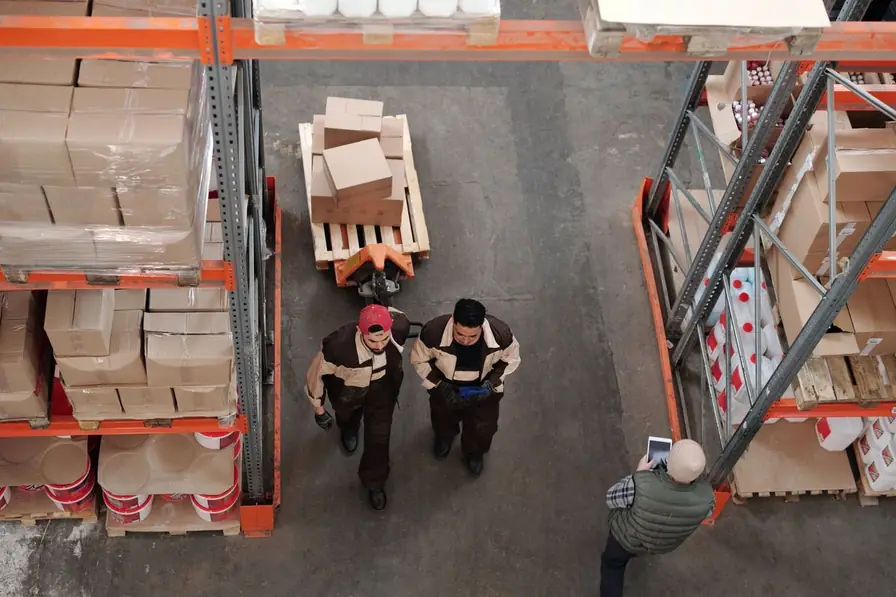
That police power belongs to officers of deputy superintendent rank or above, or equivalent, for a section 29(3) offense (section 32(3)). What they seize goes before a magistrate.
A court takes up a case only on a complaint from BIS, such a police officer, a notified authority, an officer the government empowers, a consumer or an association (section 32(2)).
When can a BIS offense be compounded?
A first offense under the BIS Act, opens in a new tab may be compounded, that is settled by paying an amount BIS sets, before or after prosecution starts (section 33(1)). The bar covers only offenses punishable with prison alone, or with prison and a fine together. Section 29(3) allows prison, a fine, or both. Compounding is not a right.
1. Apply in Form A
Send it to the compounding authority, an officer the Director General names (BIS Rules, 2018, opens in a new tab, rule 50(1) and (2)).
2. Be heard
The authority hears you, then allows the application with an amount or rejects it, with reasons (rule 50(4)). It aims to decide within sixty days (rule 51(2)).
3. Pay within thirty days
Pay BIS within thirty days of receiving the order that allows it, and send the authority proof (rule 50(7)).
Compounding before prosecution means no prosecution for that offense; after it, the person is discharged once the court accepts (section 33(4) and (5)). An offense more than three years after an earlier compounding counts as a first offense again (section 33(1), proviso).
Where an offense is compounded, BIS doesn't process the licence for cancellation (Conformity Assessment Regulations, 2018, opens in a new tab, regulation 11(3)). See BIS licence suspension and cancellation.
What do licence holders owe consumers?
A licence holder stays responsible at all times for goods carrying the Standard Mark (BIS Act, opens in a new tab, section 18(1)). If marked goods don't meet the standard, BIS may direct the holder or its representative to stop supply and recall them (section 18(6)). For goods already sold, BIS directs repair, replacement or reprocessing, or compensation to the consumer (section 18(7)).
Section 31 makes the holder or its representative liable to compensate a consumer for injury the non-conforming goods cause. Where BIS orders compensation, rule 49(1) of the BIS Rules, 2018 sets it at two times the selling price plus the testing charges.
Does the BIS Act reach online sellers?
Section 17 of the BIS Act, opens in a new tab forbids selling, storing or displaying for sale covered goods without the Standard Mark under a valid licence. The section names no sales channel, so it reads the same for a shop, a warehouse or an online listing. A seller must also buy marked goods from a licence holder (section 18(2)).
Marketplaces set their own listing rules, which this page doesn't cover. A foreign brand's factory gets its licence through FMCS; products on the registration list need BIS CRS registration.
How IndusDesk helps with BIS enforcement
We watch the authorities, tell you what each change means for your products and plans, represent you while a decision is still open, and carry the work through, with every step on record in your workspace. Licences and approvals are how we carry it through, never the whole of the work.
We check which orders cover your products and your suppliers' licences, and prepare replies to BIS and compounding applications for you to sign and file. BIS and the courts decide every case.
Frequently asked questions
Is a BIS offense cognizable?
Yes. An offense under section 29(3) of the BIS Act, 2016, opens in a new tab is cognizable (section 29(4)). A police officer of deputy superintendent rank or above may search and seize without a warrant (section 32(3)).
Who can file a complaint under the BIS Act?
A court takes up a BIS Act offense only on a complaint from BIS, a senior police officer, a notified authority, an officer the government empowers, a consumer or an association (BIS Act, 2016, opens in a new tab, section 32(2)).
Must a seller buy BIS-marked goods from a licence holder?
Yes. A distributor or seller must buy Standard Marked goods from a certified body or a licence holder (BIS Act, 2016, opens in a new tab, section 18(2)).
Sources
- The Bureau of Indian Standards Act, 2016 (No. 11 of 2016), in force since October 12, 2017: sections 17, 18(1), (2), (6) and (7), 27(2), 28, 29(3) and (4), 30, 31, 32(2) to (4) and 33, opens in a new tab (PDF, 133 KB)
- Bureau of Indian Standards Rules, 2018 (G.S.R. 584(E)), as BIS compiles them with amendments to September 2020: rules 49(1), 50 and 51(2), opens in a new tab
- Bureau of Indian Standards (Conformity Assessment) Regulations, 2018, as published on June 4, 2018: regulation 11(3), opens in a new tab
- BIS, FMCS: Frequently Asked Questions, question 2, last updated December 13, 2021, opens in a new tab